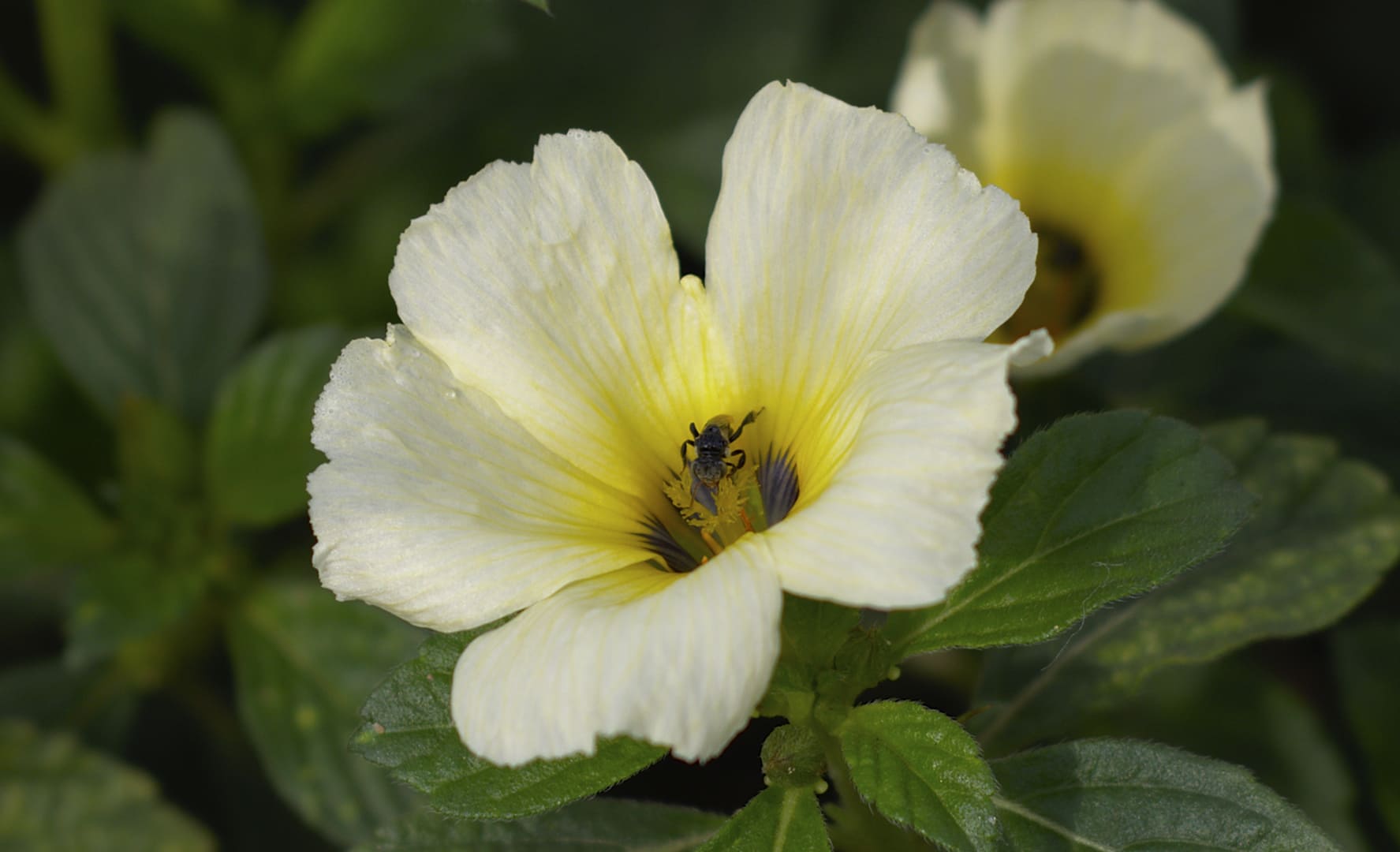
In modern oil palm plantation operations, pest control efficiency is shifting from a reliance on chemical intervention toward the utilization of natural ecosystems. PT Sumber Tani Agung Resources Tbk (STAA) integrates Antigonon leptopus as a functional component within its integrated pest management system.
Commonly known as the "Coral Vine," this plant serves as critical biological infrastructure, maintaining production stability through natural methods.
Technical Mechanisms as a Refugia Plant
Antigonon leptopus acts as a micro-habitat that provides energy sources for the natural enemies of oil palm pests. This plant, native to Mexico, was selected for its resilience in tropical climates and its ability to flower consistently throughout the year.
The presence of nectar in these flowers attracts a variety of beneficial insects, including:
-
Predators: Sycanus dichotomus and Eocanthecona furcellata, which effectively control populations of leaf-eating caterpillars.
-
Parasitoids: Trichogramma and Telenomus, which suppress pest development during the egg phase.
-
Other Natural Enemies: Insects such as lacewings, which assist in balancing the plantation ecosystem.
Operational Impact and Production Efficiency
The systematic implementation of refugia plants across the plantation provides measurable results for field management:
-
Reduction in Chemical Usage: The increase in natural predator populations significantly lowers the frequency of chemical pesticide applications. This directly improves maintenance cost efficiency while ensuring environmental quality remains protected.
-
Protection of Photosynthetic Capacity: Effective control of leaf-eating caterpillars ensures the health of the plant canopy. Optimal leaf health guarantees that the photosynthesis process operates at maximum capacity, which is a primary determinant of harvest yields.
-
Ecosystem Resilience: The resulting biodiversity establishes a self-sustaining defense system within the estate. With a balanced ecosystem, the risk of pest outbreaks can be detected and mitigated naturally at an early stage.
Focus on Sustainable Operational Standards
The management of Antigonon leptopus by the company is part of an operational strategy to achieve precision farming methods. By leveraging environmental services from natural enemies, crop protection remains effective, measurable, and aligned with the land's carrying capacity.
This implementation reinforces the transition of plantation management toward healthier, data-driven field practices to secure long-term productivity.